

What can be delivered in five days when event marketing is done properly
Most event marketing failures aren’t due to a lack of effort. They struggle because the work is fragmented, the messaging sits in one place, the content in another, and the campaign never quite comes together to build real momentum.
Recently, we worked on a five-day project to drive alignment. The brief was straightforward. Review what was already in place, then build the clarity, structure, and content needed to carry the event through to delivery.
Over five days, that resulted in:
Rewritten website pages and sales materials with a clearer commercial focus
A new partner page to support sponsorship sales
Full email sequences across partners, exhibitors, and delegates
LinkedIn content supported by branded visuals and video
A consistent visual direction across all assets
An infographic to simplify key messages
Four blogs, each supported by social posts, carousels, and supporting assets
A full comms plan designed to build awareness and drive registrations
Direction for paid social and PR to extend reach beyond owned channels
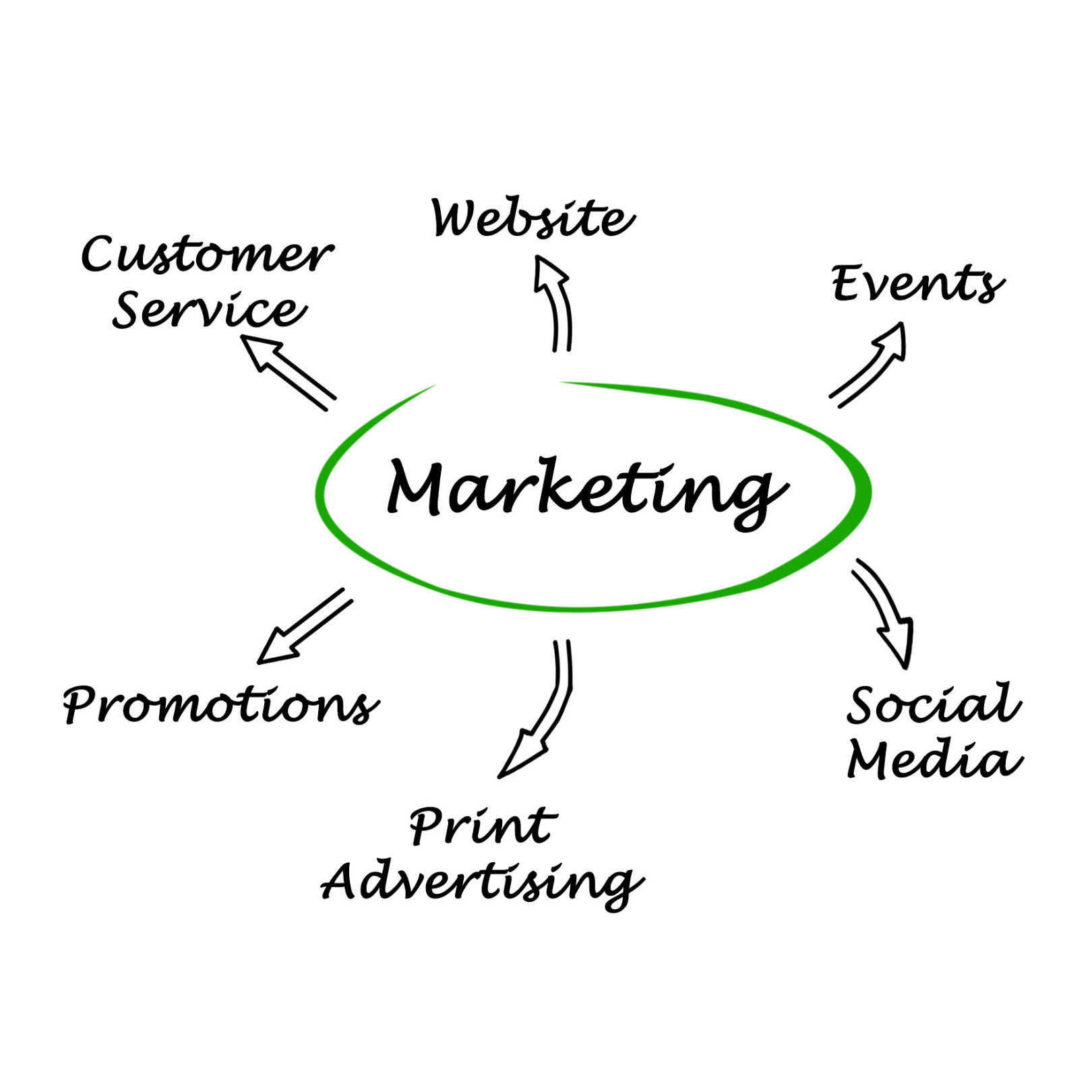
Event marketing works best when working together
This is typically the kind of work spread across multiple roles. Content, design, and campaign planning are often handled separately, which creates delays and disconnects between strategy and execution. Bringing it together in one place changes that.
The work is not only delivered faster but also ready to use. Messaging is consistent, content is aligned, and the campaign has structure. That has a direct impact on outcomes.
Budgets are focused on the work itself, not the layers around it. Momentum is maintained rather than lost between teams, and the event has a clear path from launch through to filling the room. That is the difference between producing content and building a campaign that works.
If you need support with your event or building your brand’s online profile, then please do contact us.
© eventmomentum.uk
What does a strong event marketing foundation look like?
A strong event marketing foundation combines clear positioning, consistent messaging, and a structured plan across channels. It ensures that website, email, social content, and visual assets are aligned and working together to build momentum over time.
Why is fragmented event marketing a problem?
When event marketing is handled in separate pieces, messaging becomes inconsistent, and campaigns lose momentum. Delays between content, design, and planning can slow down delivery and reduce the overall impact on attendance.
How can events build momentum quickly?
Momentum comes from having a clear plan and a bank of ready-to-use content. When messaging, assets, and channels are aligned from the start, campaigns can move faster, stay consistent, and respond more effectively to new updates or announcements.
What is the benefit of a single, joined-up approach to event marketing?
A joined-up approach removes delays between teams, keeps messaging consistent, and allows campaigns to be executed more efficiently. It also ensures that the budget is focused on delivery and outcomes, rather than being lost to process or handovers.
About the founder
Event Momentum is led by Kevin McFarlane, an experienced digital and event marketing strategist with a background spanning magazine publishing, corporate digital strategy, paid social and live event promotion. Kevin has worked across corporate conferences, brand activations and cultural events, helping organisations build momentum by turning audience interest into real attendance through clearer storytelling and strategic promotion.