

What working with different audiences has taught me about event marketing
Looking back over my career, I've worked with some remarkably different audiences. I've spent years in music and magazine publishing, worked with membership organisations, healthcare professionals and scientists, developed digital marketing for large organisations, promoted conferences and exhibitions, and spent decades organising and promoting club nights.
There probably aren't many obvious similarities between someone considering a scientific training programme, a procurement professional deciding whether to attend a conference and somebody buying a ticket for a club night or music festival in the UK. Their motivations are different; the information they need is different, and the amount of consideration involved in making the decision can be completely different.
Yet one thing I've learned from working with all of them is that good marketing usually starts in much the same place. Before you can persuade somebody to do anything, you need to understand what matters to them and give them a genuine reason to care about what you're offering.
What publishing taught me about audiences
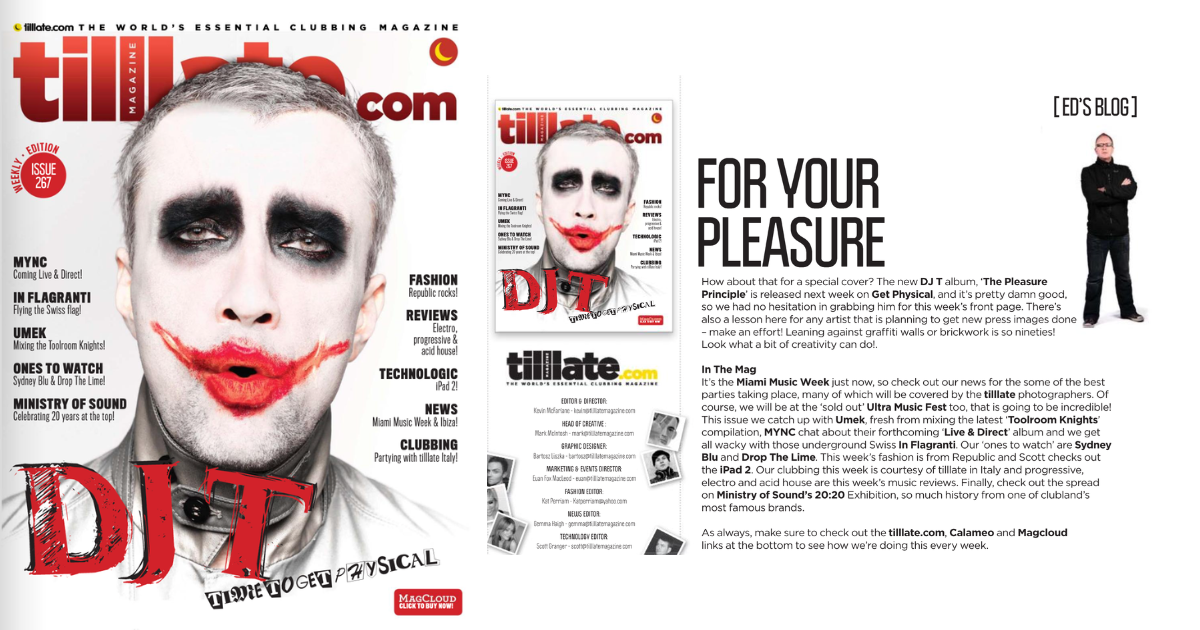
I spent much of my early career working in music and lifestyle publishing, when print magazines still played a key role in how people discovered music, fashion, and culture.
Publishing taught me very quickly that producing good content wasn't enough. You had to understand who was reading it and why they had chosen your magazine rather than one of the many others competing for their attention.
As an editor, working with a great team, you gradually learned what readers responded to, which subjects interested them, what bored them and what made them come back for the next issue. We didn't have the level of analytics available to marketers today, but we still had plenty of signals. Sales, subscriptions, letters, emails, promotional events and conversations with readers all told you whether the decisions you were making were working. It wasn’t just sales numbers. Did the person who purchased your magazine share it or pass it on to anyone else?
That experience stayed with me as my career moved further into digital marketing. The technology changed considerably, but the importance of understanding the person at the other end of the communication didn't.
tilllate magazine | Event Momentum
What digital marketing added
Digital marketing gave us access to an extraordinary amount of information about audience behaviour. Website analytics, email data, paid advertising platforms and social media made it possible to see how people interacted with content in a way that simply wasn't available during my early years in publishing.
I've always enjoyed that side of digital marketing, particularly the ability to test ideas, understand what is happening and make changes based on evidence rather than assumption. At the same time, having more data doesn't necessarily mean we understand people better.
We can see that somebody clicked an advert or opened an email, but those numbers don't always explain why the message mattered to them or what eventually persuaded them to register for an event. Understanding that usually requires looking beyond a single metric and thinking about the wider relationship somebody has with the event, organisation, or brand.
Technology has transformed how we communicate with audiences and how accurately we can measure their behaviour, but many of the things influencing their decisions have changed far less. People are more likely to pay attention to something that feels relevant to them, and they are more comfortable deciding when they recognise and trust the organisation behind it. Recommendation, reputation, previous experience and the feeling that something will be worth their time can still matter as much as the channel through which they discovered it.
Events provide a fairly unforgiving test
Working in events brings all of this together because eventually there is an obvious measure of whether people have been persuaded.
They either attend or they don't.
Over the years, I've worked across corporate conferences, exhibitions, awards, professional training programmes and live music events. I've seen events with substantial marketing budgets struggle to attract the numbers they expected, while others with considerably fewer resources have sold out.
In the many years I've promoted my own club events, including the last 10 years with Room Two in Glasgow, engagement figures and positive comments are nice to see, but they aren't the result you're ultimately looking for. Somebody still has to decide the event is worth paying for and worth giving up part of their day or evening to attend.
That decision is rarely the result of one advert, email or social media post. It is usually shaped by everything that came before. People may know the event from previous years, recognise the people behind it, trust their last experience, or see friends talking about attending. With a new event, the challenge is greater because much of that familiarity still needs to be created.
This is one reason I've become increasingly wary of judging event marketing purely by the visible activity during a campaign. By the time somebody buys a ticket or registers, quite a lot may already have happened to make that decision easier.
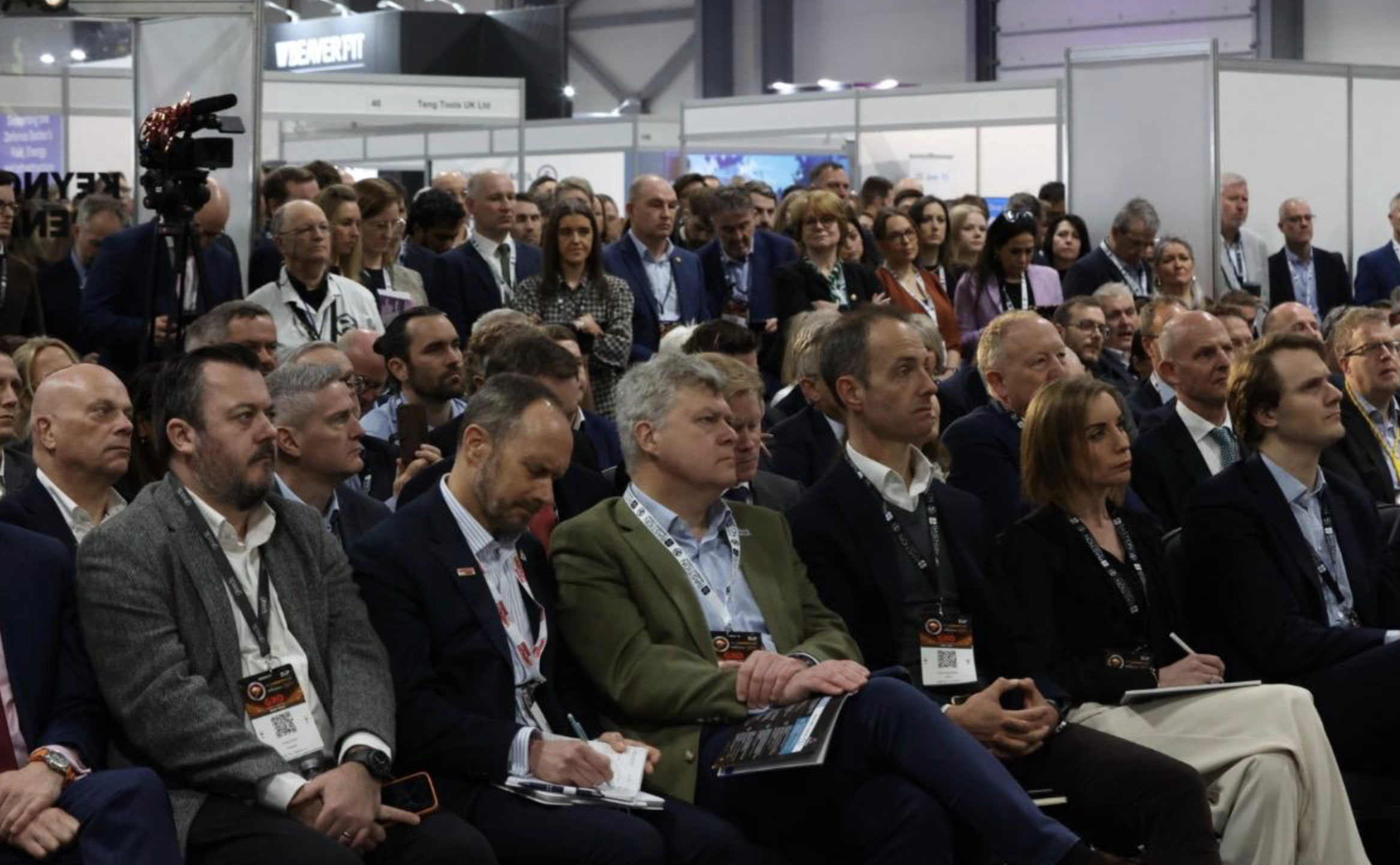
The hugely successful DPRTE event in March 2026 | Image by Kevin McFarlane | Event Momentum
Corporate audiences aren't completely different
There are obviously important differences between marketing a professional conference and promoting a club night, and I would never suggest using the same approach for both.
Someone considering a conference may need to justify the cost to their employer, understand the professional value of attending and decide whether a day away from their normal workload will be worthwhile. They might want to learn, meet particular people, build new contacts, advance their CPD, or access information they cannot easily get elsewhere.
Those motivations differ from someone deciding where to go on a Saturday night, but they're still making a decision.
They want to know whether the event is relevant to them and whether their time will be well spent. They look for reassurance in the quality of the programme, the people involved, the organiser's reputation, and the experiences of previous attendees. If they've attended before and had a positive experience, the next decision becomes considerably easier.
The context and buying journey may be different, but understanding the audience remains just as important.
Why this became part of Event Momentum
When I launched Event Momentum at the beginning of this year, I initially thought of it as a new stage in my career. The longer I've worked on the business, the more I've realised that it is really bringing together things I've been doing in different forms for years.
Magazine publishing taught me to think about the reader. Digital marketing taught me how much we can learn from behaviour and data. Working in corporate organisations taught me about strategy, commercial objectives and the realities of getting ideas implemented. Events taught me that, eventually, all the planning, content, and promotion must persuade real people to decide.
(I’ll always remember telling a business owner many years ago that a campaign generated thousands of visitors to his website. His immediate response: ‘How many bought something?’ That one comment, thankfully, reinforced my commercial focus.)
Those experiences are also why, when I look at an event campaign now, I don't immediately start with social media, advertising or email. I want to understand the event itself, who it is trying to attract, why those people might be interested and what could prevent them from attending.
Once you've considered those questions, deciding what the marketing should say and where it should appear becomes much easier.
I've probably understood this instinctively for years without ever really putting it into words. Working with very different audiences hasn't taught me that one marketing formula works for everyone. If anything, it has taught me the opposite.
Every audience deserves to be understood on its own terms.
But whether you're communicating with scientists, healthcare professionals, conference delegates, magazine readers or people looking forward to hearing a favourite record from the '90s again, you still have to give them a reason to care.
For me, that's where successful marketing begins.
If you want to discuss your event or website, then please do contact us at info@eventmomentum.uk.
© eventmomentum.uk
Why is understanding the audience important in event marketing?
Understanding the audience helps organisers explain why an event is relevant to the people they want to attract. Knowing what people value, what information they need and what might prevent them from attending makes it easier to communicate the event clearly.
Are corporate and consumer event audiences completely different?
Their motivations and decision-making processes can differ greatly, so you shouldn't market to them the same way. However, both need to understand why an event is relevant, what they will gain from attending and whether it is worth their time or money.
Has digital marketing changed how people decide which events to attend?
Digital marketing has changed how people discover events and given organisers much more information about audience behaviour. However, factors such as relevance, familiarity, reputation, recommendations, and previous experience still influence whether people decide to attend.
What should event organisers understand before they start marketing?
Before choosing channels or creating promotional content, organisers should understand who they want to attract, why the event should matter to that audience, what information people need before deciding, and what might prevent them from attending.
About the founder
Event Momentum is led by Kevin McFarlane, an experienced digital and event marketing strategist with a background spanning magazine publishing, corporate digital strategy, paid social and live event promotion. Kevin has worked across corporate conferences, brand activations and cultural events, helping organisations build momentum by turning audience interest into real attendance through clearer storytelling and strategic promotion.